Know Your Customer (KYC) is a vital process in the lending sector, particularly in India, where it plays a significant role in ensuring financial inclusion, maintaining regulatory compliance, and mitigating risks associated with lending activities. KYC procedures are designed to verify the identity, address, and other relevant information of borrowers, contributing to a secure and transparent lending ecosystem. The essential role of KYC in Indian lending impacts on borrowers, lenders, and the overall financial system as,

Establishing Trust and Preventing Fraud:
KYC norms serve as a crucial tool to establish trust between lenders and borrowers. By verifying the identity and background of borrowers, lenders can ensure that the individuals or entities seeking loans are legitimate and trustworthy. This verification process helps prevent identity theft, fraudulent activities, and loan defaults, thereby safeguarding lenders’ interests and maintaining the integrity of the lending industry.

Promoting Financial Inclusion:
India has a vast unbanked population, and many individuals lack formal identification documents. KYC plays a pivotal role in addressing these challenges by enabling financial institutions to reach underserved communities. By adopting customer-friendly and simplified KYC processes, lenders can extend their services to individuals without traditional identity documents, such as Aadhaar cards, while still complying with regulatory requirements. This promotes financial inclusion by providing access to formal credit channels for previously excluded segments of society.

Regulatory Compliance: KYC compliance is mandatory for all financial institutions operating in India. Lenders are required to adhere to the guidelines and regulations set forth by the Reserve Bank of India (RBI) and other regulatory bodies. By implementing robust KYC procedures, lenders ensure compliance with anti-money laundering (AML) and counter-terrorism financing (CTF) measures, as well as data privacy laws. This adherence not only protects the financial system from illicit activities but also instils confidence in the borrowers regarding the safety and legitimacy of the lending process.

Risk Mitigation and Responsible Lending: KYC acts as a risk mitigation tool for lenders. Thoroughly verifying borrowers’ credentials, including their financial history, creditworthiness, and repayment capacity, helps lenders assess the potential risks associated with lending to specific individuals or businesses. This due diligence enables lenders to make informed decisions, set appropriate interest rates, and tailor loan terms to mitigate risks effectively. Consequently, KYC aids in responsible lending practices, reducing the likelihood of defaults and non-performing assets (NPAs).

Enhanced Digital Transformation: In recent years, digital lending platforms have gained popularity in India, allowing borrowers to access loans conveniently and quickly. KYC has played a pivotal role in enabling this digital transformation. Robust and secure online KYC processes allow lenders to verify borrower information remotely, reducing paperwork, enhancing efficiency, and ensuring a seamless digital lending experience. Digital KYC procedures, such as e-signatures and biometric authentication, have simplified the lending process, making it more accessible, efficient, and cost-effective for both lenders and borrowers.

In India, the KYC process is a critical aspect of various industries, especially the financial sector. Different types of KYC are implemented to cater to the specific needs of different industries and comply with regulatory guidelines. Here are the different types of KYC in India:

Aadhaar-based KYC: Aadhaar-based KYC utilizes the unique identification number issued by the Unique Identification Authority of India (UIDAI). It involves linking an individual’s Aadhaar number to their financial accounts and using it as a primary identity document for verification. Aadhaar-based KYC simplifies the process by providing a standardized and widely accepted form of identification.

e-KYC:
e-KYC is an electronic verification process that allows individuals to provide their identity and address proof digitally. It eliminates the need for physical documents by using Aadhaar details and biometric authentication. e-KYC has facilitated the growth of digital services, including online banking, e-wallets, and other digital financial platforms.

Video KYC: Video KYC is a remote verification process that enables customers to complete the KYC process through a video call with a representative of the financial institution. It involves verifying the customer’s identity, capturing live photographs, and conducting real-time interactions to ensure authenticity. Video KYC offers convenience, especially for customers who may not be able to visit physical branches.

Central KYC Registry (CKYCR):
The Central KYC Registry is a centralized repository that stores KYC information of individuals and entities in India. It allows financial institutions to access KYC records through a centralized system, eliminating the need for customers to submit KYC documents multiple times for different financial services. CKYCR streamlines the KYC process and enhances efficiency.

Digilocker: Digilocker is a digital platform provided by the Government of India that enables individuals to store and manage their important documents securely. It includes identity proofs, address proofs, and other relevant documents required for the KYC process. Digilocker eliminates the need for physical documents and provides a convenient and paperless method for KYC verification.

Offline KYC:
Offline KYC refers to the traditional method of KYC verification where individuals provide physical copies of their identity and address proof documents. This method requires customers to visit the branch offices of financial institutions and submit the necessary documents for verification.

It is important to note that the Reserve Bank of India (RBI) and other regulatory authorities regularly update and refine the KYC norms. Financial institutions need to adhere to the prevailing guidelines and ensure compliance with the specified KYC requirements while choosing the appropriate type of KYC for their operations.
The role of KYC in Indian lending cannot be overstated. It acts as a foundation for trust, compliance, and responsible lending practices. By ensuring the identity and credibility of borrowers, KYC contributes to the growth of the lending industry while protecting lenders, borrowers, and the overall financial system. Embracing technology-driven KYC solutions further enhances financial inclusion, streamlines lending processes, and strengthens the Indian economy’s foundation.

Data security is a critical aspect of any technology-driven industry, including GoldTech. Implementing robust data security measures helps protect sensitive information, prevent unauthorized access, and maintain customer trust. Here are some best practices for data security in GoldTech:

  • Implementing strict access controls to ensure that only authorized individuals have access to sensitive data. This includes strong password policies, multi-factor authentication, and regular access reviews.
  • Using strong encryption techniques to protect data both at rest and in transit. Encrypting data ensures that even if it is intercepted, it remains unreadable without the proper decryption keys.
  • Schedule regular backups of critical data to ensure its availability and integrity. Store backups in secure locations separate from the primary data source.
  • Secure network configurations, firewalls, and intrusion detection systems to protect against external threats. Regularly update and patch network infrastructure components to address any known vulnerabilities.
  • Conduct regular training sessions to educate employees about data security best practices, such as identifying phishing attempts, protecting passwords, and handling sensitive information securely.
  • Classify data based on its sensitivity and assign appropriate access rights to ensure that only authorized personnel can access and modify specific datasets.
  • Conduct periodic security audits and assessments to identify potential vulnerabilities and gaps in the data security measures. Regular testing helps identify and address security weaknesses proactively.
  • Develop a comprehensive incident response plan that outlines the steps to be taken in the event of a data breach or security incident. This plan should include procedures for containment, investigation, communication, and recovery.
  • If TechStack relies on third-party vendors or partners, establish strict data security requirements in contracts and agreements. Regularly assess their security practices to ensure they meet the required standards.
  • Stay updated with relevant data protection regulations, such as the General Data Protection Regulation (GDPR) and ensure compliance with all industry regulations to protect customer data and avoid legal implications.

Data security is an ongoing process that requires continuous monitoring, evaluation, and improvement. By implementing these best practices, GoldTech can enhance its data security posture and safeguard valuable information.

In today’s digital landscape, security vulnerabilities pose significant risks to businesses and their customers. The impact of a successful cyberattack can range from data breaches and financial losses to reputational damage. To mitigate these risks, it is crucial to identify and fix security vulnerabilities earlier in the development cycle. By integrating security measures from the beginning, organizations can save time, money, and protect their systems and users from potential threats.

We need to emphasize Security from the Start; Security should be a fundamental consideration from the initial stages of software development. Developers and stakeholders must prioritize security requirements, conduct threat modelling exercises, and clearly define security objectives. By incorporating security as an integral part of the development process, potential vulnerabilities can be identified and addressed proactively. Performing regular security assessments throughout the development lifecycle is essential. This includes using static code analysis, dynamic application security testing, penetration testing, and vulnerability scanning. These assessments help uncover vulnerabilities and weaknesses early on, enabling developers to fix them before they can be exploited by attackers.

Adhering to secure coding practices is paramount in minimizing security vulnerabilities. Developers should follow established guidelines and best practices, such as input validation, secure authentication, and proper error handling. Utilizing secure coding frameworks and libraries can further enhance the application’s security posture. Many security vulnerabilities stem from misconfigured systems and applications. It is crucial to establish robust configuration management practices. This involves hardening the system configurations, disabling unnecessary services, and keeping software and libraries up to date. Automating configuration management processes can reduce the risk of human error and ensure consistent security across all environments.

We must focus on fostering a Security-Conscious Culture. Developing a security-conscious culture within the organization is vital for the early identification and resolution of security vulnerabilities. Encourage developers and other stakeholders to participate in security training programs and stay updated on the latest security practices. Regular security awareness sessions and promoting a sense of responsibility for security among the team can go a long way in preventing vulnerabilities. Threat modelling is a systematic approach to identifying potential threats and vulnerabilities in the early stages of development. Developers can prioritise security measures and allocate resources effectively by analyzing the system architecture and identifying potential attack vectors. Threat modelling helps organizations understand the potential risks and focus on mitigating them early on.

Adopting Secure Development Lifecycle (SDL) practices provides a structured framework for integrating security into every phase of development. This includes requirements gathering, design, coding, testing, deployment, and maintenance. Following an SDL ensures that security is not an afterthought but a core consideration throughout the development process.

During the development cycle, various tools can be used to identify vulnerabilities and enhance the security of software applications. These tools assist developers and security professionals in identifying potential weaknesses, misconfigurations, and vulnerabilities that may be exploited by attackers. Here are some commonly used tools:

Static Application Security Testing (SAST): SAST tools analyze the source code or compiled code of an application to identify security vulnerabilities, coding errors, and potential weaknesses. These tools can detect issues such as SQL injection, cross-site scripting (XSS), buffer overflows, and insecure cryptographic implementations. Examples of SAST tools include SonarQube, Fortify Static Code Analyzer, and Checkmarx.

Dynamic Application Security Testing (DAST): DAST tools, also known as web vulnerability scanners, evaluate applications while they are running to identify vulnerabilities and potential attack vectors. These tools simulate attacks and test for common web application vulnerabilities, including injection attacks, cross-site scripting, and insecure authentication mechanisms. Popular DAST tools include OWASP ZAP, Burp Suite, and Acunetix.

Interactive Application Security Testing (IAST): IAST tools combine elements of SAST and DAST by analyzing an application during runtime, capturing data from within the application itself. These tools provide real-time feedback and can detect vulnerabilities that may arise due to specific user inputs or configurations. IAST tools offer improved accuracy and reduced false positives compared to traditional DAST tools. Examples include Contrast Security, Seeker, and Veracode.

Software Composition Analysis (SCA): SCA tools focus on identifying vulnerabilities and security risks in third-party and open-source components used in an application. They analyze the application’s dependencies, libraries, and frameworks to detect known vulnerabilities and outdated versions that may have security flaws. Popular SCA tools include Black Duck, Sonatype Nexus Lifecycle, and WhiteSource.

Penetration Testing: Penetration testing involves simulating real-world attacks to identify vulnerabilities in a system or application. Various tools are available for different types of penetration testing, including network scanning, vulnerability scanning, and exploitation. Examples of commonly used penetration testing tools include Metasploit, Nmap, Nessus, and OpenVAS.

Security Scanners and Vulnerability Assessment: These tools scan networks, systems, or applications to identify vulnerabilities and misconfigurations. They often perform automated checks and provide reports on security weaknesses, which can help developers and system administrators prioritize and remediate issues. Examples include Qualys, Rapid7 Nexpose, and Tenable.io.

It is important to note that while these tools are valuable in the vulnerability identification process, they should be complemented with manual security reviews and expert analysis to ensure comprehensive coverage and accurate results.

In the digital era, where technology plays a vital role in the gold loan industry, securing the IT infrastructure is of utmost importance. With sensitive customer data, financial transactions, and operational systems at stake, gold loan providers must prioritize robust security measures. Highly competitive lending markets need players to streamline processes and routines to service the high demands they are facing. There is a dire need to leverage time-saving technology for optimal efficiency whenever possible. When it comes to loan management, manual processes fail to handle the massive amount of data they come across on an everyday basis. Old legacy systems function at a staggering speed, with limited scalability, without cost reduction, etc. Automation is the best remedy to streamline the lending process overall. Lenders are looking for modern, agile, fast, and yet cost-efficient secure loan management systems for their business. The significance of IT infrastructure security in the gold loan industry and the essential steps that should be taken to safeguard against potential threats.

Importance of IT Infrastructure Security in Gold Loan Operations:
Infrastructure security can include permanent assets such as real estate, but it is most commonly used to refer to technology assets, including computers, networking systems and cloud resources — both hardware and software. The concept of infrastructure security includes not only protection from a traditional cyberattack but also protection from natural disasters and other calamities. It also concerns the topic of resilience, which considers how an enterprise recovers from an attack or other disruption. The ultimate goal is to boost security measures and minimize the amount of downtime and associated customer attrition, loss of brand and reputation, and compliance costs that businesses face. Below are a few security measures where we need to focus more.

Protection of Customer Data:
Gold loan providers handle vast amounts of customer information, including personal details, financial records, and sensitive documents. Securing this data is vital to maintain customer trust and comply with regulatory requirements.

Financial Transaction Security: Gold loan transactions involve significant monetary value, making them attractive targets for cybercriminals. Safeguarding the IT infrastructure ensures the integrity and confidentiality of financial transactions, reducing the risk of fraud and unauthorized access.

Availability and Reliability: A secure IT infrastructure ensures the availability and reliability of critical systems, preventing downtime that could disrupt operations and impact customer service. Uninterrupted access to loan management platforms, customer portals, and other applications is essential for smooth business operations.

Compliance with Regulatory Standards: The gold loan industry is subject to various regulatory frameworks and data protection laws. Implementing robust IT security measures helps ensure compliance with these standards, avoiding penalties and legal implications.

Essential Steps to Enhance IT Infrastructure Security in Gold Loan Operations:

Multi-Layered Perimeter Defense: Deploying firewalls, intrusion detection and prevention systems, and secure gateways establishes a strong defense against external threats. Regularly updating and patching these systems helps guard against emerging vulnerabilities.

Secure Data Storage and Transmission: Implementing encryption protocols for data at rest and in transit provides an additional layer of protection. Utilizing secure protocols such as SSL/TLS and strong encryption algorithms helps safeguard sensitive information.

Access Control and Authentication: Implementing robust access control mechanisms, including strong password policies, two-factor authentication, and role-based access control, helps prevent unauthorized access to critical systems and data.

Regular Security Assessments and Audits: Conducting periodic security assessments and audits helps identify vulnerabilities and areas for improvement. Engaging third-party experts to perform penetration testing and security audits can provide valuable insights into potential weaknesses.

Employee Awareness and Training: Educating employees about security best practices, phishing awareness, and the importance of data protection is crucial. Regular training sessions and awareness programs can help mitigate the risk of human error and promote a security-conscious culture.

Incident Response and Business Continuity Planning: Establishing an incident response plan and a robust business continuity strategy helps mitigate the impact of security incidents. Having protocols in place to detect, respond to, and recover from security breaches minimizes the potential disruption to operations.

Regular System Updates and Patches: Keeping operating systems, applications, and security software up to date with the latest patches and updates is essential to address known vulnerabilities and protect against emerging threats.

At last, Protecting the IT infrastructure is critical to ensuring the security and reliability of gold loan operations. By implementing multi-layered security measures, securing data storage and transmission, establishing access controls, conducting regular assessments, and prioritizing employee awareness, gold loan providers can safeguard their IT infrastructure against potential threats. Proactive measures protect sensitive customer information and instill trust and confidence among borrowers, strengthening the reputation of gold loan providers in the industry.

Gold loans have emerged as a popular financing option in India, providing individuals with quick access to funds by leveraging their gold assets. In an increasingly competitive market, focusing on customer experience has become essential for gold loan providers. Here, I am trying to explore the importance of customer experience in the context of gold loans in India and how it can be enhanced to empower borrowers.

Understanding the Gold Loan Customer Journey

Accessibility and Convenience: Gold loan providers need to ensure that their services are easily accessible and convenient for borrowers. This includes establishing a wide network of branches and introducing digital platforms for loan applications and repayments.

Streamlined Application Process: Simplifying the application process is crucial to offer a seamless experience. Providers should leverage technology to enable online application submissions, minimize paperwork, and expedite loan approval and disbursal.

Transparency in Loan Terms: Clear and transparent communication of loan terms and conditions is vital. Borrowers should have a complete understanding of interest rates, processing fees, repayment options, and the consequences of defaulting on payments.

Efficient Appraisal and Valuation:
The gold appraisal process should be quick, accurate, and transparent. Customers appreciate it when their gold is valued fairly, and they are provided with detailed information about the appraisal process and the loan amount they are eligible for.

Flexibility in Repayment Options:
Offering flexible repayment options enhances customer satisfaction. Lenders can introduce customized repayment plans, allowing borrowers to choose the tenure and mode of repayment that best suits their financial circumstances.

Excellent Customer Service:
Prompt and friendly customer service is a crucial component of a positive customer experience. Lenders should invest in well-trained staff who can provide personalized assistance, address queries, and resolve issues efficiently.

Security of Assets:
Gold loan providers must prioritize the security of customers’ gold assets. Implementing robust security measures in loan storage and handling reassures borrowers about the safety of their precious belongings.

Loan Renewal and Closure Processes:
Simplifying loan renewal or closure processes adds convenience for borrowers. Streamlined procedures and proactive reminders help borrowers manage their loan obligations effectively.

Building Trust and Loyalty:

Educational Initiatives:
Educating borrowers about gold loans, their benefits, and associated risks fosters trust. Providers can conduct awareness campaigns, offer financial literacy programs, and create informative content to empower customers.

Transparent Communication:
Maintaining open and transparent communication channels instils confidence in borrowers. Providers should ensure that borrowers are promptly informed about any changes in loan terms, interest rates, or other relevant updates.

Rewards and Incentives:
Offering rewards, loyalty programs, or preferential terms for repeat borrowers can incentivize customer loyalty. Recognizing and rewarding loyal customers demonstrates appreciation for their continued support.

Conclusion:

In the competitive landscape of gold loans in India, providing an exceptional customer experience is key to differentiation and success. By focusing on accessibility, convenience, transparency, efficient processes, excellent customer service, and building trust, gold loan providers can empower borrowers, cultivate long-term relationships, and contribute to the growth of the gold loan industry in India. Emphasizing customer experience not only benefits borrowers but also strengthens the reputation and success of gold loan providers in the market.


Microsoft Fabric
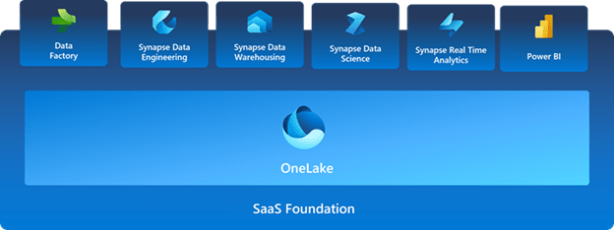
is a one-stop-shop for a full data platform, from ingesting source data to data visualization across each persona, from Data Engineer to Power BI user and everyone in between. Fabric is Microsoft’s shiny new all-encompassing Software-as-a-Service (SaaS) analytics platform.

It brings together Azure Data Factory, Azure Synapse Analytics and Power BI into a single cohesive platform without the overhead of setting up resources, maintenance, and configuration. It’s a complete end-to-end analytics solution in little time with all capabilities baked in, from Data Integration and Data Engineering to Data Science, and real-time analytics. We can say Fabric is an all-in-one analytics solution for enterprises that covers everything from data movement to data science, Real-Time Analytics, and business intelligence. It offers a comprehensive suite of services, including data lake, data engineering, and data integration, all in one place.

With Fabric, Microsoft is ambitiously embracing the Data Lakehouse architecture in a Mesh-like vision. OneLake is the key enabler of this architecture and the capability to organize data with ‘Domains’ and ‘Workspaces’.


With Fabric, no need to piece together different services from multiple vendors. It’s a highly integrated, end-to-end, and easy-to-use product that is designed to simplify analytics needs. The platform is built on a foundation of Software as a Service (SaaS), which takes simplicity and integration to a whole new level.

The key pillars of Microsoft Fabric,

  1. Everything-as-a-service – SaaS analytics platform
  2. Centralised administration
  3. Low-code + Pro Dev
  4. Data Lake
  5. Data Lakehouse – Architecture of choice in Fabric
  6. Variety of data personas
  7. Seamless integration with other Office tools
  8. Security and governance

Image  —  Posted: February 26, 2023 by Virendra Yaduvanshi in Database Administrator
Tags: , , , , ,

Image  —  Posted: February 6, 2023 by Virendra Yaduvanshi in Database Administrator
Tags: , , ,


Nowadays, Big data adoption is increasing rapidly across all sizes of organizations, however, the method and distinction between obtaining Business Intelligence (BI) and employing Data Analytics (DA) to make actual business decisions with an impact are getting lost in translation. While both terms are used interchangeably, BI and DA are essentially distinct in many ways.
As per some people, there is a distinction between the two by claiming that, while DA employs data science approaches to predict what will or should occur in the future, while BI looks backwards at historical data to describe things that have transpired.
There are differences between DA vs BI, although business intelligence is the more inclusive term that includes analytics. BI assists individuals in making decisions based on historical data, whereas data analytics is more focused on future predictions and trends.
Data analytics is the process of examining databases to find trends and insights that are then applied to decision-making within organizations. Business analytics is concerned with examining various forms of data in order to create useful, data-driven business choices and then putting those conclusions into practice. Insights from data analysis are frequently used in business analytics to pinpoint issues and come up with remedies.  Most businesses make the mistake of trying to implement new technology too quickly throughout their entire business without a strategy in place for how they will really use the tools to address a specific problem.
The process of gathering and studying unprocessed data to make inferences about it is known as data analytics. Every organization gathers enormous amounts of data, whether it is transactional data, market research including ethnographic research, or sales data. The true value of data analysis resides in its capacity to spot trends, hazards, or opportunities in a dataset by identifying patterns in the data. Businesses can change their procedures based on these insights and use data analytics to make better decisions.
BI is the process of iteratively examining an organization’s data with an emphasis on using statistical analysis tools to uncover the knowledge that can support innovation and financial performance. Business analytics enables analytics-driven firms to get the most value from this wealth of insights. They can treat big data as a valuable corporate asset that powers business planning and underpins long-term goals. Business analytics can be classified as either descriptive, predictive, or prescriptive. These are typically deployed in phases and, when combined, can address or resolve almost any issue that a business may have.

Techniques Used In DA

To expedite the analytical process, the majority of widely used data analysis procedures have been automated. Data analysts may now quickly and efficiently sort through massive volumes of data using the following methods rather than spending days or weeks doing so. They are described as follows:

  • Data mining is the process of searching through big data sets to find patterns, trends, and connections.
  • In order to assist firms to respond effectively to future outcomes like customer performance, predictive analytics aggregates and analyses previous data.
  • Machine learning teaches computers to process data more quickly than traditional analytical modelling by using statistical probability.
  • Utilizes machine learning, predictive analytics, and data mining techniques to turn raw data into actionable business knowledge.
  • Documents, emails, and other text-based content can be mined for patterns and moods using text mining.

Techniques Used In BI

BI techniques can be classified as either descriptive, predictive, or prescriptive. These are typically deployed in phases and, when combined, can address, or resolve almost any issue that a business may have. They are described as follows:

  • Descriptive analytics parses historical data to gain knowledge on how to make future plans. Executives and non-technical professionals can benefit from the insights produced by big data to improve business performance because self-service data access, discovery, and dashboard technologies are widely available.
  • Predictive analytics is the subsequent stage on the road to insight to assist organizations in forecasting the possibility of future events, machine learning and statistical techniques are used. Predictive analytics can only indicate the most likely conclusion based on the past because it is probabilistic in nature and cannot foretell the future.
  • Prescriptive analytics investigates potential courses of action based on the findings of descriptive and predictive analysis. This kind of analytics mixes business rules with mathematical models to offer many viable answers to various tradeoffs and scenarios to improve decision-making.


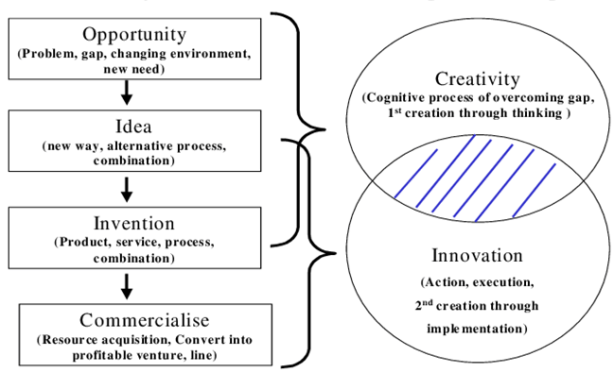
In every oraganisation team members need to feel comfortable sharing their ideas, management needs to ensure that they feel safe and empowered.  It’s imperative to structure the culture of innovation by establishing a group that evaluates ideas, a process for submitting ideas and an incentive to submit ideas. Many organizations establish an Architectural Board, made up of leaders from different areas of the technology organisation, that provide areas to ideate in and evaluate ideas submitted by team members. The board is responsible for giving feedback to everyone that submits an idea so they understand its value to the organization and the reasons it will or will not be implemented. Constructive feedback should always be given privately while great ideas should be praised publicly.

Identifying Problem

Poor definition or direction is often the root cause of poor ideation, so make sure that the team must know about problems. we can identify problems by taking monthly/quarterly surveys with questions like:

  • What are the biggest challenges facing you or your team?
  • What keeps you up at night?
  • What is one thing you’d do differently and why?

The answers will help to identify areas for exploration. It is important to present to the teams the problem and ask them to develop the solutions.

Create Space for Innovation

Contrary to the popular idiom that necessity is the mother of invention, innovation is often stifled by necessity. Engineers are going to allocate all their time to executing the tasks they need to complete unless management creates time for them to spend exploring, ideating, and innovating. Sending people to conferences and requiring them to give presentations about what they learned and how it can be applied to the current business challenges is one way to give people time and space. Another is to simply carve out 10-15% of an engineer’s time each month to ideating on a topic or subject. we can allow them to pick their own areas or start by assigning areas for exploration.

Show Gratitude

Show people their ideas are appreciated through recognition, compensation, and action. Publicize good ideas and the people that generated them to the entire company along with recognition from leadership. This provides social esteem for individuals while providing a model for others to follow. Establish bounties for solving critical issues. A little extra money goes a long way to motivating people. Hold internal hackathons quarterly to foster healthy competition. Ask yourself what would motivate you to participate and then ask your team leaders what they think will motivate their staff.

Get Started

A simple method to kicking off this culture of innovation is by identifying a champion and working with them to develop the first idea. Then make it all their idea and start the process of demonstrating gratitude publicly and implementing the idea immediately.